

IS43 Supportive Housing Investment Opportunity
Scalable, Impact-Driven Real Estate With Attractive
Returns Through Qualitative Housing and Care

IS43 supportive Housing Investment Overview

Executive Summary
“The Sponsors”, seek equity investment for its supportive housing business. The fund will be deployed as a 6-month working capital to sustain business operation pending payments of receivables, billed within 90 days.
Current Operations
The sponsors currently operate a 12-bed supportive housing facility in Queens, New York. Launched in May 2025, the facility has achieved ≥80% occupancy, ~$140K month revenue (projected for August and going forward at ≥80% bed assignments) and a 45% EBDITA margin.
Future Operations
By 2025 year ending, the business would have completed its 1st Expansion Phase, having 8 facilities across three (3) states, and reaching ~$900K monthly revenue. The 2nd Expansion Phase will see the business increase to 50+ facilities all over the U.S.
Valuation
Using Year 2, projected EBDITA values and industry valuation multiples, and a 10% discounting rate, the business has an Enterprise Value of $3.36M; the Sponsors expect to increase the current business valuation 7x to $22.6M by 2025 year ending.
Investment Summary: Loan Structures & Returns
| Picture | Property Name | Risk Profile | Investment Structure | Investment Amount ($) | Annualized Rate | Annual Interest Payment ($) | Loan Term Amortized | Pre-Payment Penalty | Link |
|---|---|---|---|---|---|---|---|---|---|
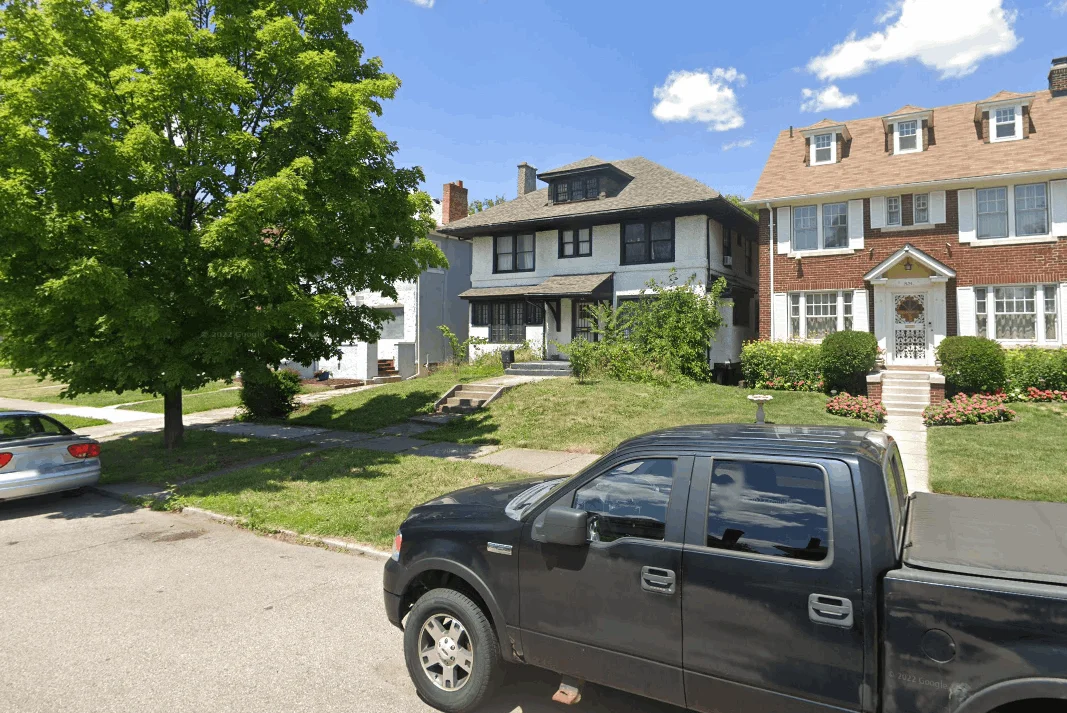
View Pictures
| Atkinson | Conservative | Loan | $135,000 | 15% | $20,250 | 24 Months | 6-Months | Learn More |
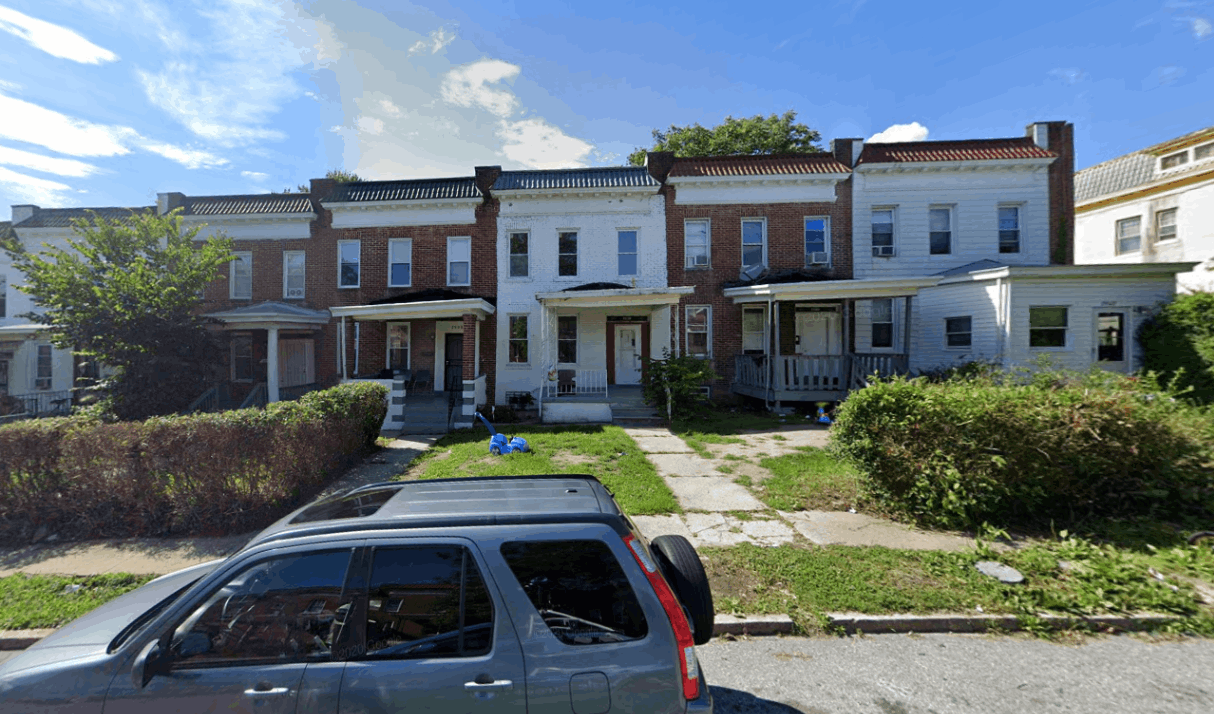
View Pictures
| Baltimore | Conservative | Loan | $100,000 | 15% | $15,000 | 24 Months | 6-Months | Learn More |
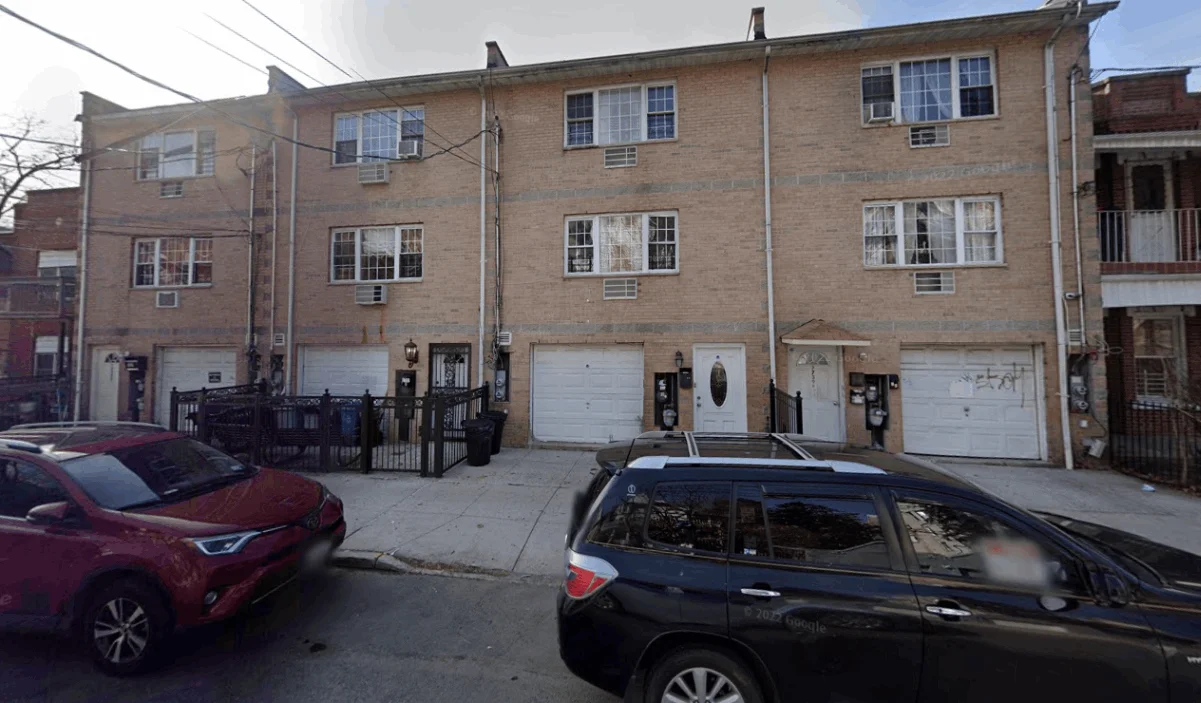
View Pictures
| Kingsbridge | Conservative | Loan | $200,000 | 15% | $30,000 | 24 Months | 6-Months | Learn More |
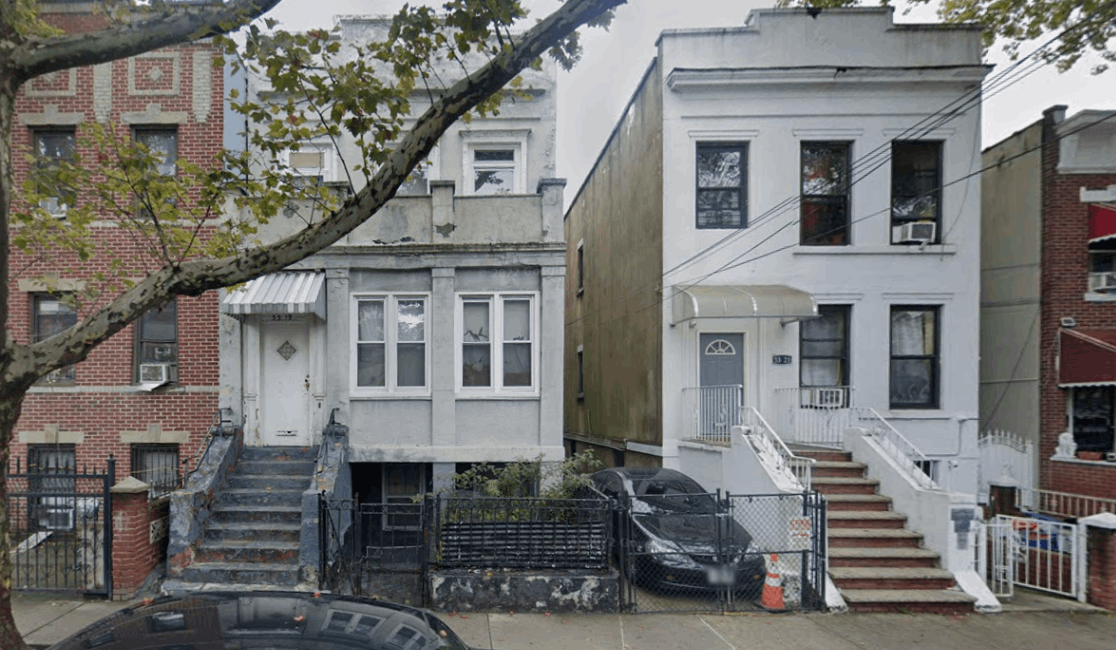
View Pictures
| Queens | Conservative | Loan | $200,000 | 15% | $30,000 | 24 Months | 6-Months | Learn More |
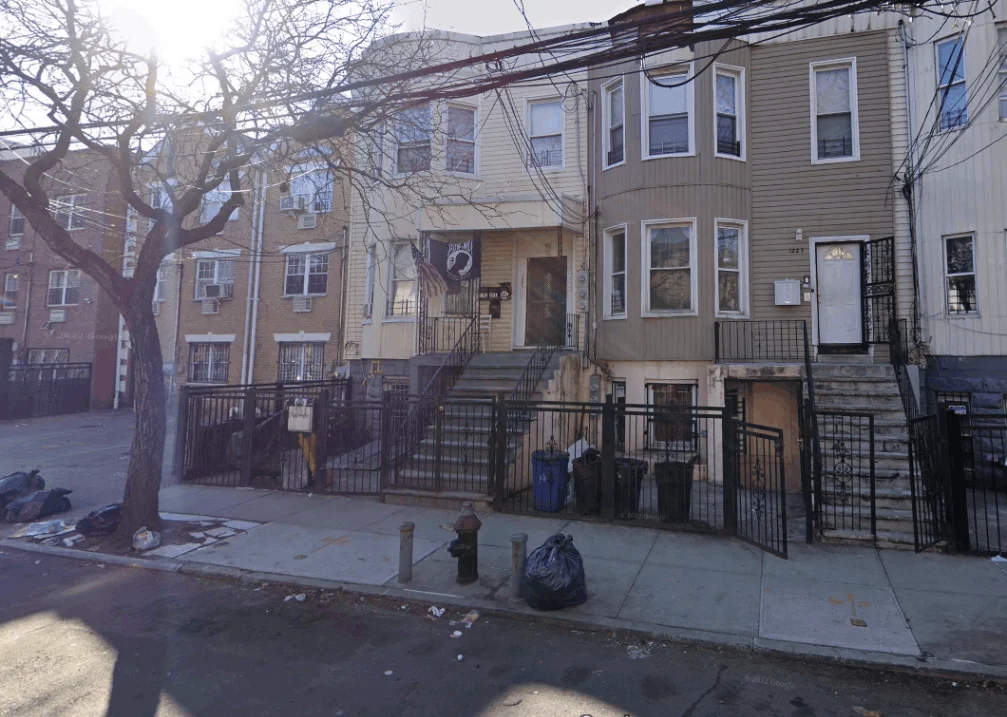
View Pictures
| Tinton | Conservative | Loan | $220,000 | 15% | $33,000 | 24 Months | 6-Months | Learn More |
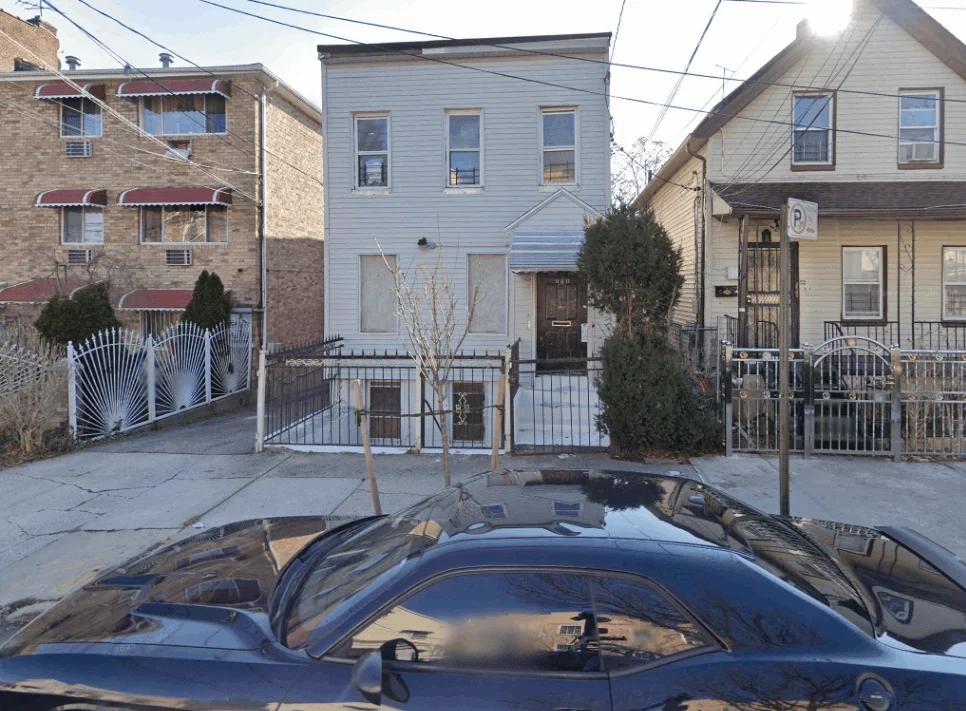
View Pictures
| Williamsbridge | Conservative | Loan | $220,000 | 15% | $33,000 | 24 Months | 6-Months | Learn More |
Business Valuation & Growth
- Queens, New York facility
- 12-bed leased facility
- Launched May 2025
- Revenue: ~$140K/month
- Year 2 EBITDA: $740,400
- Industry Valuation Multiple (EBITDA): x5
- Valuation: $3.7M
Expansion Phase 1 – Dec, 2025
- 8 facilities spread across 3 States – New York, Maryland & Michigan
- 4 owned, 4 leased, 85+ total rooms
- Total Capital Need: $3M
- Projected Annual Revenue: $10M+
- Year 2 EBITDA: ~$5M
- Industry Valuation Multiple (EBITDA): x5
- Valuation: $24M+
Expansion Phase 2 – 2026-2031
- 50+ properties across the U.S.
- Total Capital Need: $25M+ (est.)
- Projected Annual Revenue: $70M+
- EBITDA Margin: 40%+
- Industry Valuation Multiple (EBITDA): x7
- Valuation: ~$200M
Investors Due Diligence Questions and Answers
Question on Income Statement:
Can you elaborate in detailed line items what the Payroll and Direct Costs, Misc Management and Administrative, and Supplies Costs are in the income statement for the Corona Facility?
Answer: Payroll and Direct Costs include salaries for clinical staff (nurses, case managers, peer counselors), housing aides, and facility managers. Misc Management and Administrative covers executive oversight, compliance, HR, and accounting services provided by IS43 Consulting. Supplies Costs include medical supplies, PPE, food, hygiene kits, and basic furnishings for residents.
Question on Capacity:
What is the current capacity of the Corona Facility: 14, correct? How do you come to that number?
Answer: Yes, the Corona facility has a 12-single and 2-double bed capacity (14-patient capacity in total), based on the number of bedspaces available and licensed for supportive housing use. All spaces are designated for substance abuse recovery and reintegration.
Question on Accounts Receivable:
You launched in May 2025 — have you received payment yet? If not, why is it above the 60–90-day turnaround time? How will you manage cash flow if insurers or Medicaid payments are delayed beyond projections? What does your current aging report look like?
Answer: Initial payments are pending due to Medicaid credentialing and retroactive billing cycles, which implies that we have 'potential receivables' and there are no actual aging reports yet. Delays are expected in the first 90–120 days post-launch. The first month of operation was May and there was a gradual buildup of occupancy with September occupancy reaching 14 patients. The May expected receivables is $10,000 and for September, over $200,000. From our (projected) ageing analysis (attached) only the May receivables are in excess of 90 days and the balance (the majority of the receivables) are still within 90 days. So out of $527,000 in receivables only $10,000 are above 90 days. IS43 has structured bridge financing and reserves to manage early cash flow gaps.
Question on Margin Sustainability:
EBITDA margins of 45–50%+ are unusually high in healthcare housing. How are these margins sustainable once you factor in regulatory audits, staffing turnover, insurance claw backs, and maintenance capex?
Answer: Margins are driven by high per diem reimbursement rates ($450–$500/day), direct relationships with agencies and employees that eliminates brokers and associated costs, lean staffing models with cross-trained personnel, in-house ancillary services reducing third-party costs, and preventive maintenance and centralized procurement lowering capex. As we scale up the operations, the compliance costs will increase but this will be offset with lower operational costs, so most likely the margins of 45%+ will be maintained. The PnL projections was modeled according to a worst-case scenario of 85% occupancy to factor in variance in operating/financial conditions.
Question on Referrals:
Are there written MOUs/agreements with hospitals, VA, and agencies? Or are these soft relationships?
Answer: IS43 has a written linkage agreement with a national agency that refers patients to our active facility, including planned expansion facilities. Most importantly, the agency supplies bed assignments that details patient name, age, level of care, payee, and duration of their housing, typically a minimum of 6 months, up to 12 months. In rare cases we will extend bed assignments as needed in rare cases of relapse.
Question on Baltimore Facility:
Please elaborate on the Baltimore facility launching next month.
Answer: The first Baltimore facility is a 6-bedroom supportive housing unit for Veterans through the Maryland VA. It will operate under the IS43 Ancillary Services umbrella and is part of a broader expansion plan to reach 80+ beds across 7 facilities by December 2026.
Question on Competition:
Which specific operators are you benchmarking against, and how do your licensing/compliance advantages translate into defensible market share?
Answer: IS43 benchmarks against Volunteers of America, Services for the Underserved, and Housing Works. Its edge lies in its premium transitional care model, single-occupancy setup (preferred by Medicaid), integrated ancillary services, licensure for higher reimbursement tiers, and focus on substance abuse and reintegration, a niche underserved by larger operators.
Question on Payer Mix Composition:
What percentage of receivables is from Medicaid, VA, and private insurers? Are any of them self-pay? Which category has the highest denial or delay risk?
Answer: Medicaid: ~70%, VA: ~20%, Private insurers/self-pay: ~10%. Medicaid has the highest volume but moderate delay risk. VA payments are more predictable and faster (within 30 days of invoicing). Private insurers pose higher denial risk due to documentation requirements.
Question on Reserves Policy:
Have you budgeted a bad debt reserve for receivables that go unpaid or are clawed back after audits?
While the probability of unpaid receivables risks is low based on the nature of the contracts and precedence, IS43 budgets a 5–10% reserve for bad debt and claw backs. The finance team monitors compliance risk and adjusts reserves quarterly based on audit trends and payer behavior.
Question on Management:
The team bios emphasize IT, oil trading, and lobbying experience but less direct healthcare experience. What steps have been taken to ensure operational expertise?
The IS43 team comprises of licensed clinical directors, nurses, case managers and facility managers with multiple years of experience in the healthcare industry. Detail information about these members of the team are proprietary and intentionally withheld. Their presence in the IS43 team ensures regulatory and operational compliance. We have also engaged external advisors with healthcare and Medicaid billing expertise.
Question on Licenses:
What licenses do you have now and which ones are you looking to get?
Currently licensed by OASAS for supportive housing under state and city programs and ancillary services (e.g., outpatient counseling, case management). Seeking Medicaid provider status in additional states and behavioral health clinic licensure for future expansion.
Question on Rate Variability by State:
Have you modeled state-by-state pricing differences, and do your projections hold outside NYC/Queens?
Yes. IS43 has modeled Medicaid reimbursement rates in NY, MD, and MI and also be the type of services offered and agency involved. Projections are most favorable in NYC and Baltimore, where rates and demand are highest. Expansion plans prioritize states with higher per diem rates and supportive housing incentives.
Question on Negotiated vs. Standard Rates:
Are you billing Medicaid at standard fee-for-service rates or negotiated MCO rates? What allows you to bill at $450–$500/day?
Answer: IS43 bills through Managed Care Organizations (MCOs) under negotiated rates. The premium care offered, single-occupancy model, clinical wraparound services, and ancillary offerings justify the higher reimbursement tier. Documentation includes facility licensure, care plans, and staffing ratios.
Question on Administration Cuts / Rate Stability:
What happens if Medicaid reimbursement is cut by 10–15%? How resilient is your financial model?
Answer: IS43 has modeled downside scenarios including 15% rate cuts. Our models show that even if Medicaid reimbursement is cut by up to 15% and the topline reduced by 15% the EBDITA margins will still be ≥35%. Resilience strategies include cost containment via shared services, diversified payer mix, scalable staffing, contingency reserves, and access to bridge capital.

Our Services
We offer a comprehensive range of services, including:
 Social Care Services
We deliver integrated care for vulnerable groups—SUD, TBI, veterans—combining supportive housing, clinical treatment, and case management to foster recovery, stability, and long-term wellbeing.
 Lobbying
We help secure city services and procurement contracts, specializing in navigation with the DOE, DHS, and DSS to maximize opportunities for organizations.
 Deal Structuring
We create strategic daycare ventures, linking underused centers with immigrant families needing childcare, and optimize agreements through expert negotiation and planning.
 Contract Management
We provide full guidance before and after contract signing, ensuring deliverables are completed and deadlines are consistently met.
 Expediting
We leverage city agency relationships and regulatory expertise to reduce fines or judgments from contract breaches with New York City agencies.
 General Consulting
We offer tailored advisory services for nonprofits, businesses, and government—helping solve operational, financial, and strategic challenges, building resilient programs, and improving service delivery.

Ready to Invest with Us?

ASK Capital empowers small businesses and real estate ventures with innovative financing and strategic advisory solutions.
Services Offered
Financial Advisory
Deal Structuring
Real Estate Financing
Business Financing
Real Estate Investment
Real Estate Note Purchase